 By
By The missing step most routines overlook and how to help your skin hold onto hydration
Posted on January 3, 2026 Written by: 100% PURE®

Introduction
“I moisturize every day, so why does my skin still feel dry?”
It is one of the most common skincare frustrations, especially during colder months or after periods of stress. Skin can feel tight, rough, or dull even when you are consistently applying moisturizer, which often leads people to believe they need a richer cream or more product overall.
In many cases, the issue is not a lack of moisturizer. It is a misunderstanding of what the skin is actually missing.
Hydration and moisture are often used interchangeably, but they serve very different roles in the skin. Hydration refers to water content, while moisture refers to the oils and lipids that help seal that water in. When one is present without the other, skin can feel imbalanced, uncomfortable, or persistently dry.
Understanding the difference between hydration and moisture is one of the simplest ways to transform how your skin looks and feels. When both are addressed together, skin appears smoother, more supple, and better able to maintain comfort throughout the day.
What Hydration Really Means
Hydration is about water. Specifically, it refers to the amount of water present in the skin’s cells and surface layers.
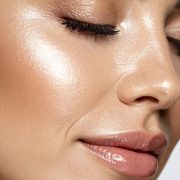
When skin is well hydrated, it looks plump, smooth, and reflective. Fine lines appear softer, texture feels more even, and makeup tends to sit better. Hydrated skin is also more resilient, meaning it can better tolerate environmental stress and daily wear.
When hydration levels drop, skin begins to show subtle signs of dehydration. Texture may feel rough or uneven, dullness becomes more noticeable, and fine lines can appear more pronounced. Dehydrated skin often feels tight after cleansing and may struggle to stay comfortable throughout the day.
Hydration is especially vulnerable to factors like climate changes, air conditioning, heating, travel, and over-cleansing. Without enough water in the skin, even the best moisturizer can feel like it is sitting on the surface rather than absorbing fully.
What Moisture Does for the Skin
Moisture refers to the oils and lipids that help prevent water from escaping the skin. These components form a protective layer that supports barrier strength and long-lasting comfort.
When the skin has adequate moisture, it feels soft, cushioned, and calm. Lipids help smooth the surface of the skin and reinforce the barrier, making it less prone to irritation and sensitivity. Moisture is also what gives skin that comfortable, nourished feeling that lasts beyond initial application.
Without enough moisture, hydration cannot stay where it belongs. Water evaporates more easily, leaving skin feeling tight or dry shortly after cleansing or applying hydrating products. This is why skin can feel dry even when it is technically hydrated.
Moisture is not about heaviness. When chosen correctly, moisturizing products support the skin’s natural balance rather than weighing it down.
Why Skin Needs Both to Feel Balanced
Hydration and moisture work best as a pair. When one is missing, skin often feels out of balance, no matter how many products you apply.
Hydration without moisture is short-lived. Water-based products can deliver an immediate plumping effect, but without lipids to seal that hydration in, water quickly evaporates from the skin’s surface. This often leads to tightness returning within hours, especially in dry or air-conditioned environments.
Moisture without hydration can feel heavy but ineffective. Rich creams and oils may soften the surface temporarily, but if the skin lacks water underneath, it can still feel rough, dull, or uncomfortable. In these cases, skin may look nourished but not truly refreshed.
When hydration and moisture are used together, skin is able to hold onto water more effectively. This balance supports smoother texture, improved elasticity, and lasting comfort. It also helps the skin barrier function more efficiently, reducing sensitivity and preventing ongoing moisture loss.
How to Support Hydration and Moisture Together
Supporting hydration and moisture does not require a complicated routine. It requires thoughtful layering and barrier-friendly formulas.
Cleanse
Cleansing should prepare the skin without stripping away water or lipids. A gentle cleanser like the removes impurities while helping the skin maintain hydration, making it an ideal first step for dehydrated or dry-feeling skin.
Hydrate and Treat
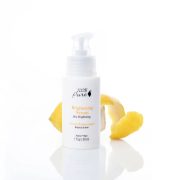
Hydration is best delivered through lightweight serums that support water retention and skin structure. The helps improve hydration levels while supporting skin resilience, making it a strong foundation for balanced skin.
Moisturize
Moisturizing seals hydration in and protects the barrier throughout the day and night. The reinforces the skin’s natural barrier while delivering lasting comfort, helping skin stay hydrated longer rather than relying on frequent reapplication.
Weekly Boost
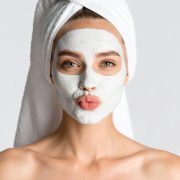
A weekly mask can help revive dehydrated, dull skin without causing stress. The refreshes the complexion and supports radiance while remaining gentle enough to complement a hydration-focused routine.
Conclusion
Balanced skin is not the result of choosing hydration or moisture. It comes from understanding how they work together.
When skin has enough water and the barrier support to retain it, dryness becomes less persistent, texture appears smoother, and comfort lasts longer throughout the day. Instead of chasing heavier creams or adding more steps, focusing on both hydration and moisture creates a routine that works with the skin rather than against it.
By supporting both needs intentionally, skin is better equipped to stay resilient, radiant, and comfortable no matter the season.
FAQ: Hydration and Moisture, Explained
Can oily skin still be dehydrated?
Yes. Oily skin can absolutely be dehydrated. Dehydration refers to a lack of water, not oil. When the skin lacks hydration, it may actually produce more oil in an attempt to compensate. This can lead to a confusing combination of surface oiliness and underlying tightness or rough texture. Supporting hydration helps rebalance the skin and can reduce excess oil over time.
Should hydration come before moisturizer?
Yes. Hydration should always come before moisturizer. Hydrating products deliver water to the skin, while moisturizers help seal that hydration in. Applying moisturizer without hydration underneath can limit its effectiveness, especially for skin that feels persistently dry or tight.
How do I know if my skin lacks hydration or moisture?
Skin that lacks hydration often feels tight, dull, or rough and may show fine lines more easily. Skin that lacks moisture tends to feel dry, flaky, or uncomfortable and may feel better briefly after applying cream but become dry again quickly. Many people experience both at the same time, which is why addressing hydration and moisture together is often the most effective approach.