
 By
By Ceramides, hyaluronic acid, niacinamide, and plant oils, explained simply
Posted on January 4, 2026 Written by: 100% PURE®

Introduction
If you have ever scanned the back of a skincare product and felt unsure where to focus, you are not alone. Ingredient lists can feel overwhelming, especially when every product seems to highlight a different star component promising hydration, glow, or repair.
The truth is, not all ingredients support the skin in the same way. Some work on the surface, some work deeper, and others only make sense when paired with the right supporting ingredients. This is especially important when the skin barrier is stressed and glow feels harder to maintain.
January is the ideal time to simplify ingredient confusion and return to what truly supports skin health. Barrier repair and radiance are not driven by a single ingredient, but by a thoughtful combination of components that hydrate, protect, and replenish what the skin naturally needs.
This guide breaks down four of the most important ingredients for a January glow reset, explaining what they do, why they matter, and how they work together to support a healthy, resilient skin barrier.
Ceramides: The Skin’s Natural Shield
Ceramides are one of the most important components of a healthy skin barrier. They are naturally occurring lipids that make up a significant portion of the skin’s outer layer and act as a protective seal.
Think of ceramides as the glue that holds skin cells together. When ceramide levels are strong, the barrier stays intact, moisture remains locked in, and the skin is better protected from environmental stress. When ceramides are depleted, gaps form in the barrier, allowing water to escape and irritants to enter more easily.
This loss of ceramides is often what leads to dryness, sensitivity, and that tight feeling after cleansing. Supporting ceramide levels helps restore barrier integrity, improves moisture retention, and allows the skin to feel more comfortable and resilient over time.
Ceramides are especially valuable during a reset because they address the root of many common skin concerns rather than masking symptoms on the surface.
Hyaluronic Acid: Hydration That Skin Can Use
Hyaluronic acid is best known for its ability to attract and hold water within the skin. It functions as a humectant, meaning it draws moisture into the skin and helps keep it there.
When skin is properly hydrated, texture appears smoother, fine lines look softer, and overall comfort improves. Hydration also supports the skin’s ability to function efficiently, which is essential for barrier repair and recovery.
One of the reasons hyaluronic acid is so effective is that it works in harmony with the skin. It delivers water without heaviness and helps replenish hydration that is easily lost through environmental exposure, air conditioning, or over-cleansing.
Hydration alone is not enough for lasting comfort, but it is a critical first step. When the skin has adequate water content, it is better prepared to respond to nourishing ingredients and maintain balance throughout the day.
Niacinamide: The Balancer
Niacinamide is one of those ingredients that quietly does a lot of work behind the scenes. It supports barrier repair, helps improve tone, and encourages the skin to behave more predictably over time.
One of niacinamide’s most valuable roles is its ability to strengthen the skin barrier by supporting the production of ceramides and improving moisture retention. This makes it especially helpful when skin feels reactive, uneven, or prone to dehydration.
Niacinamide is also known for its balancing effect. It helps regulate excess oil while supporting hydration, which is why it works well across skin types. Skin that feels both oily and dry often responds well to niacinamide because it addresses imbalance rather than pushing the skin in one direction.
During a reset, niacinamide helps calm stressed skin and support clarity without irritation. The fits seamlessly into this phase, offering targeted support that enhances resilience and encourages a smoother, more even-looking complexion over time.
Plant Oils: Replenishing What Skin Loses
While hydration brings water into the skin, plant oils play a critical role in replenishing the lipids that help keep that water from escaping. These oils are rich in fatty acids that support barrier integrity, softness, and flexibility.
Over time, daily cleansing, environmental exposure, and stress can deplete the skin’s natural lipid content. When this happens, skin may feel tight, rough, or less elastic even if it is well hydrated. Reintroducing supportive plant oils helps restore comfort and reinforces the skin’s protective layer.
is especially valued for its lightweight feel and nutrient-rich profile. It supports softness and glow while helping improve the look of uneven tone and texture. Because it absorbs well without heaviness, it works beautifully during a reset when the goal is nourishment without overload.
Plant oils are not about adding shine. They are about restoring balance so the skin feels supple, cushioned, and resilient again.
How These Ingredients Work Together in a Reset Routine
Each of these ingredients plays a specific role, but their real strength lies in how they work together within a supportive routine.
Cleanse
Begin by preparing the skin without disrupting balance. The gently removes impurities while helping preserve essential moisture and lipids.
Treat
Support structure and repair with the . This step helps reinforce resilience and hydration, creating a strong foundation for barrier recovery.
Boost
Enhance balance and calm with . This targeted step helps regulate oil, support barrier repair, and improve overall skin tone during a reset.
Oil Support
Replenish lost lipids with . Applied after serums or mixed into moisturizer, it helps restore softness, flexibility, and glow.
Moisturize
Seal everything in with the . This step reinforces moisture retention and supports comfort throughout the day and night.
Weekly Brightening
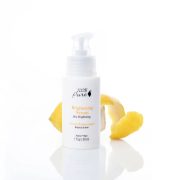
Maintain clarity gently with the . Used once a week, it refreshes the complexion without compromising barrier health.
Together, these ingredients and steps create a routine that supports repair first, allowing glow to emerge naturally and sustainably.
Conclusion
When it comes to glow, ingredients matter, but how they work together matters even more. Barrier repair and radiance are not driven by one standout ingredient or a short-term fix. They are the result of thoughtful formulation and ingredient synergy.
Ceramides help rebuild the skin’s protective shield. Hyaluronic acid restores hydration the skin can actually use. Niacinamide brings balance and resilience. Plant oils replenish what daily stress and cleansing take away. Together, these ingredients support the skin in a way that feels sustainable rather than overwhelming.
A January glow reset is not about chasing brightness. It is about strengthening the foundation that allows skin to look calm, hydrated, and naturally luminous. When the barrier is supported and the skin’s needs are met consistently, glow becomes a reflection of health rather than something you have to force.
By understanding what these ingredients do and how they complement each other, you can build a routine that supports your skin not just for January, but for the months ahead.
FAQ: Ingredients and Barrier Repair
Can I use these ingredients together?
Yes. Ceramides, hyaluronic acid, niacinamide, and plant oils are designed to work well together. Hydrating ingredients like hyaluronic acid bring water into the skin, while ceramides and plant oils help seal that hydration in. Niacinamide supports balance and barrier repair, making the entire routine more effective when used consistently.
Are these ingredients suitable for sensitive skin?
In most cases, yes. These ingredients are commonly recommended for sensitive or compromised skin because they support barrier health rather than aggressively stimulating the skin. When introducing any new product, it is still best to start slowly and observe how your skin responds, especially during a reset period.
How long before ingredient benefits become visible?
Some benefits, like improved hydration and comfort, may be noticeable within a few days. Barrier repair and visible glow typically develop over several weeks with consistent use. Long-term improvements in texture, tone, and resilience are the result of ongoing nourishment rather than immediate change.